Author: jokerundastairs
Constitutonal Law cases
Law
South Dakota v. Dole
When it comes to the Constitution’s Taxing and Spending Power, South Dakota v. Dole (1987) gives Congress the power to withhold funds to states.
Read MoreConstitutonal Law cases
Law
United States v. Lopez
When it comes to possessing a gun in a school zone, United States v. Alfonso D. Lopez, Jr. (1995) said Congress can’t regulate a mere gun.
Read MoreMusic Video Reactions
Lil Debbie’s “Break It Down”
I like this song. It has a nice bass. It sort of just bounces. And I like Lil Debbie’s rap.
Read More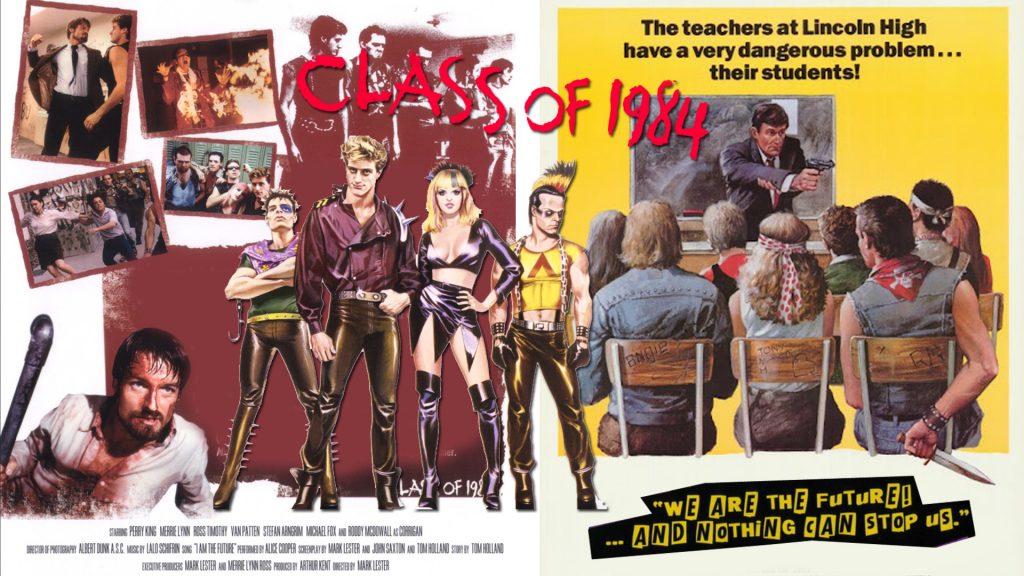
Movie Reviews
Class Of 1984
While being ahead of it’s time, the movie “Class Of 1984” made some interesting social commentary on society. It made suggestions about gun use in US schools. Also, it suggested violence in US schools. With teachers now carrying guns into the classroom, the movie’s message is timely.
Read MoreConstitutonal Law cases
Law
Heart of Atlanta Motel v. United States
With the Commerce Clause, Congress ended racial discrimination in motels with Heart of Atlanta Motel v. United States (1964).
Read MoreConstitutonal Law cases
Law
Gonzales v. Raich
During the Bush administration, Gonzales v. Raich (2005) criminalized locally grown marijuana even though states approved it for medicinal purposes.
Read More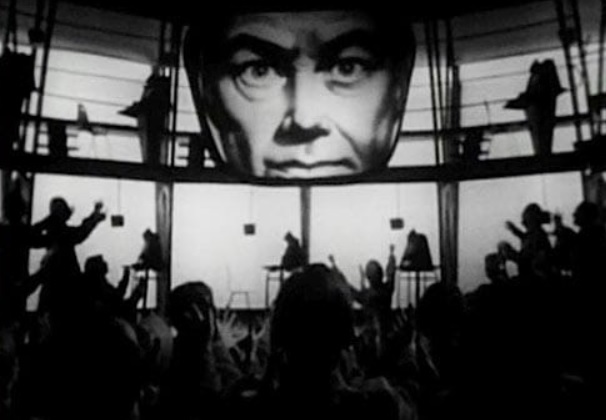
Movie Reviews
1984
George Orwell’s “1984” is a criticism on the New Deal and the Progressives of the 1930s. The movie has lots of concepts related to the New Deal era. I’ll discuss some connections between the movie and the New Deal.
Read MoreConstitutonal Law cases
Law
Korematsu v. United States
As one of the most worst law cases, Korematsu v. United States (1944) said the government can make a racial classification in the interest of national security.
Read MoreConstitutonal Law cases
Law
Brown v. Board of Education of Topeka
When it comes to landmark civil rights cases, Brown v. Board of Education of Topeka (1954) said no more segregation in public schools.
Read MoreLaw
Property Law
Johnson v. M’Intosh
In an early property law case, Johnson v. M’Intosh (1823) said Native Americans have no property rights.
Read More