Law
First Amendment cases
Latest
Law
Reviews
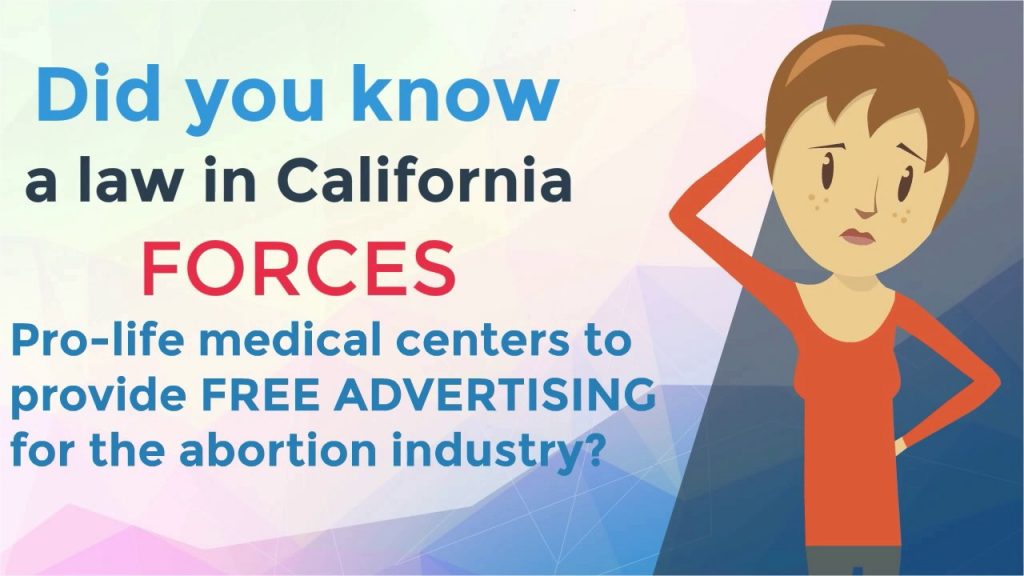
National Institute of Family and Life Advocates v. Becerra
When it came to providing free advertising for the abortion industry, NIFLA (2018) v. Becerra said the California Reproductive Freedom, Accountability, Comprehensive Care, and Transparency Act violated the First Amendment’s Free Speech and Free Exercise Clause.
Read More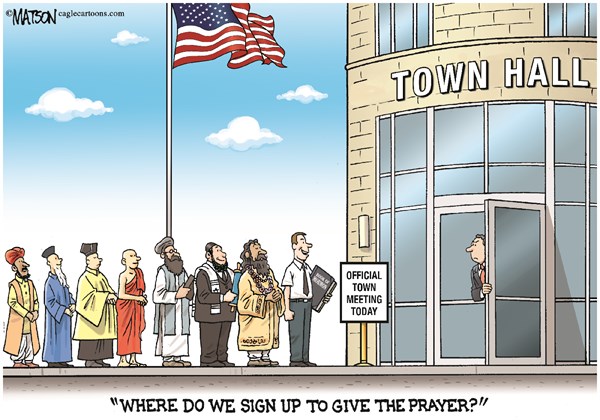
First Amendment cases
Latest
Law
Reviews
Town of Greece v. Galloway
When it came to a town hall Christian prayer, Town of Greece v. Galloway (2014) said there was no violation of the Establishment Clause of the First Amendment.
Read More
First Amendment cases
Latest
Law
Reviews
Lee v. Weisman
When came to a school prayer and the First Amendment, Lee v. Weismann (1992) said prayer amounts to coecion which violates the Establishment Clause of the Constitution.
Read More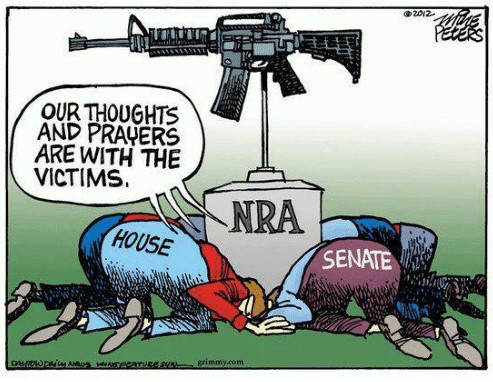
First Amendment cases
Latest
Law
Marsh v. Chambers
When it came to a legislative prayer, Marsh v. Chambers (1983) did not violate the Establishment Clause of the Constitution.
Read More
Latest
Law
Property Law
Reviews
Mahrenholz v. County Board of School Trustees
When it came down to the importance of the wording of legal language in a fee simple defeasible, Mahrenholz v. County Board of School Trustees made all the difference between a fee simple determinable and a fee simple subject to condition subsequent.
Read More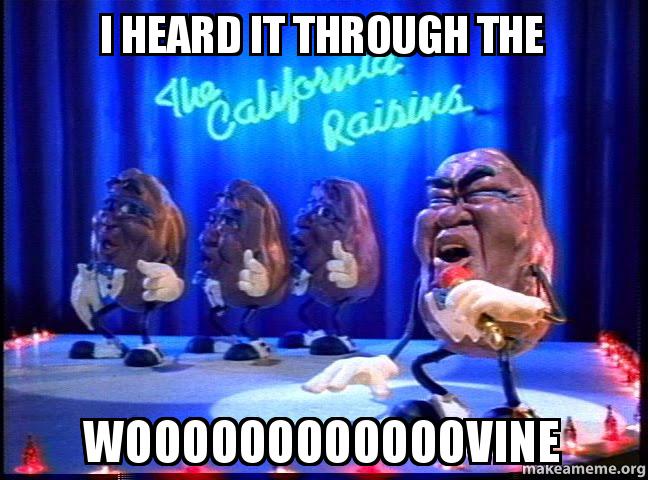
Law
Property Law
Reviews
Horne v. Department of Agriculture
In opposition to the Great Depression when the US government destroyed excess wheat crops to maintain healthy wheat market prices, as American citizens starved and died, Horne v. Department of Agriculture (2015) said the US government must provide just compensation, in regards to government takings of property to compensate raisin farmers as outlined in the […]
Read More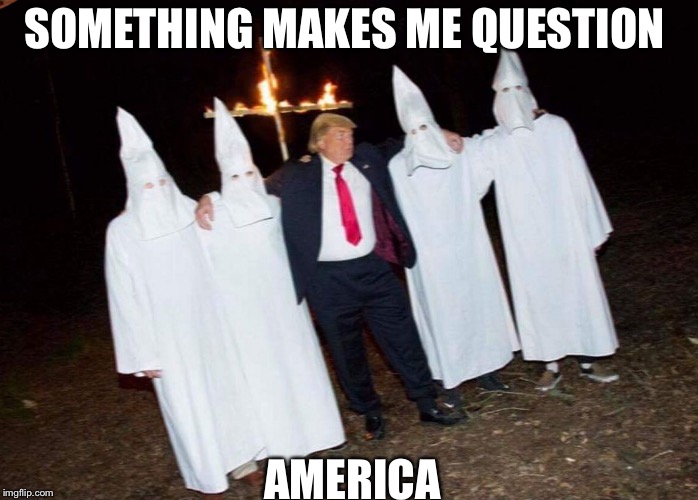
First Amendment cases
Latest
Law
Reviews
R.A.V. v. City of St. Paul
When it came to caucasian kids burning a cross on a family of African American’s property, R.A.V v. St. Paul said, essentially, hate speech is ok, because it’s a First Amendment right of free speech.
Read More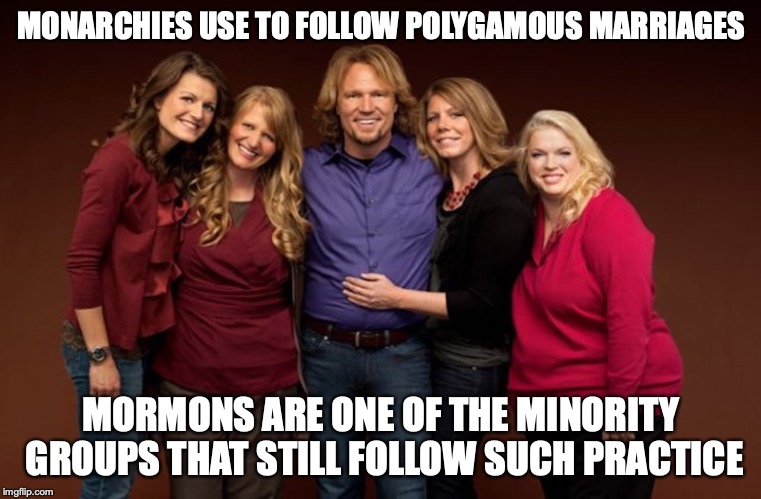
First Amendment cases
Latest
Law
Reviews
Reynolds v. US
When it came to the First Amendment right of religious freedom and setting a precedent, Reynolds v. US (1874) would separate religious belief and practice; however, Reynolds would not be granted a religious exemption to a state statute forbidding polygamy.
Read More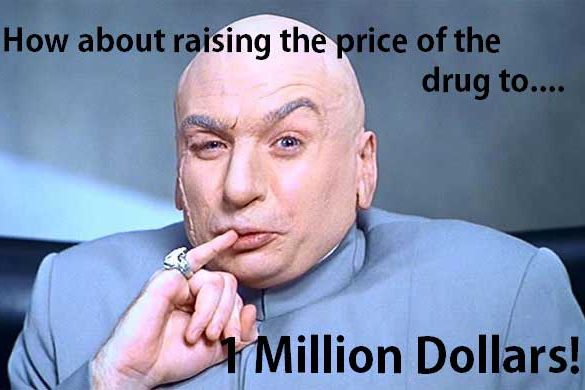
First Amendment cases
Latest
Law
Reviews
Virginia Pharmacy Board v. Virginia Citizens Consumer Council
When a pharmacist cartel got the state to ban the advertisement of prescription drug prices in the interest of stopping price wars, Virginia Pharmacy Board v. Virginia Citizens Consumer Council (1976) said that law was unconstitutional, because such a law was a violation of consumer’s First Amendment right of receiving information.
Read More
First Amendment cases
Latest
Law
Reviews
Maimi Herald v. Tormillo
When it came to the govenment’s right of reply and the fairness doctrine, Maimi Herald v. Tormillo (1974) overruled both doctrines in favor of the First Amendment right of the press.
Read More