Nestled in the picturesque middle of nowhere, “Devil Times Five” presents a heartwarming tale of found family, where criminally insane children bond over shared secrets and secret codes. The film thoughtfully explores the emotional depth of characters like David, a cross-dressing chess prodigy whose devastating loss to Harvey is punctuated by a tantrum so grand it redecorates the floor with chess pieces. All this unfolds under the blissfully oblivious noses of the adults, whose diagnostic skills are so keen that they only suspect the little angels might be homicidal after one of them, say, turns up brutally murdered. The patriarch, Papa Doc, runs homes for the “mentally retarded,” which apparently includes a stellar internship program in slave labor, proving that charity and a cheap workforce are a match made in heaven.
The children, demonstrating commendable foresight, reason that their adult caretakers might develop a sudden, irrational desire to live. Their solution is a masterclass in hospitality: disabling the car and hiding the guns to ensure no guest overstays their welcome. The adults, now a captive audience, are treated to delightful social commentary, such as the scene where Harvey nervously discusses David’s strangeness with the men, while the women cackle with glee at his discomfort—a real laugh-riot that perfectly highlights the film’s take on gender dynamics. Between crafting elaborate death traps and reading comics, the kids multitask with an efficiency that would make any tiger mom proud, all while pondering the profound moral vacuum that apparently comes standard-issue with both childhood psychosis and adult negligence.
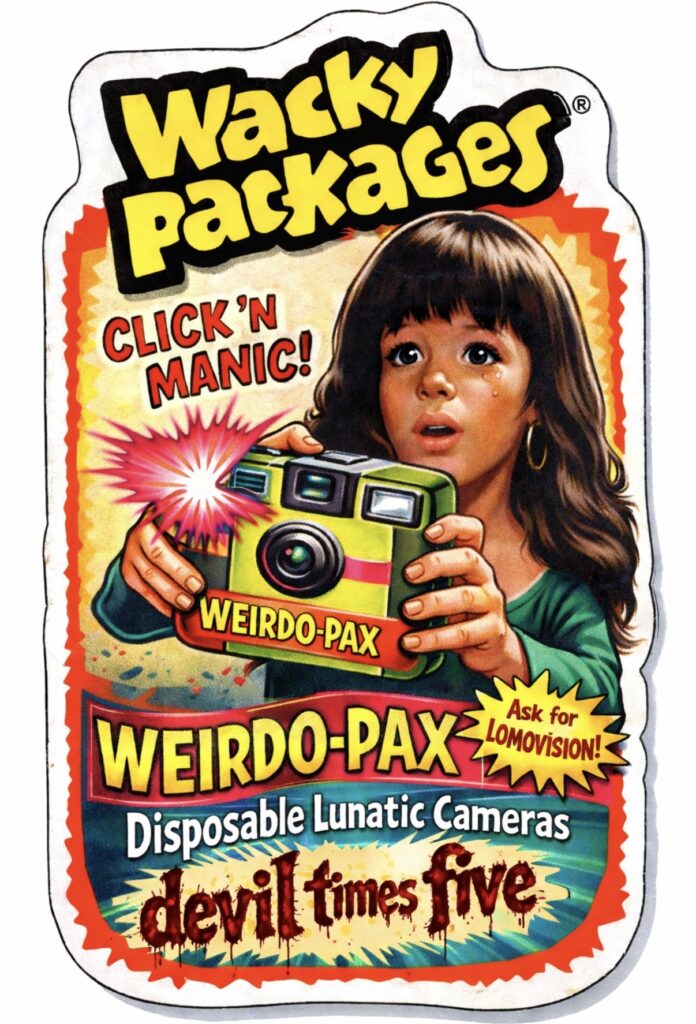
The climax is a festival of accountability, or rather, a spectacular lack thereof. Susan, the orphaned pyromaniac, delivers a touching monologue to Ruth, blaming the alcoholic heiress for her own lack of love before kindly immolating her. The children’s celebratory powwow around Ruth’s barbecue provides a lovely sense of community. And just when you think the message couldn’t be clearer, David, after murdering Papa Doc’s daughter, scolds his victim for ruining his beautiful face—a poignant moment of vanity that reminds us all to look in the mirror. As the last adult screams promises of genocide, the film concludes with the children, having finished their game, wandering off in search of new toys. The final message is clear: it’s not the children who are the real monsters—it’s the deeply discounted, subpar childcare.