
In the 1918 Supreme Court case Hammer v. Dagenhart, the justices struck down a federal law that tried to ban child labor. They said Congress couldn’t use its power over “commerce” (trade between states) to regulate how factories made goods, even if kids were working there.
(more…)

In the shadowy underbelly of 1980s cinema, David Cronenberg’s Scanners (1981) emerges not as mere science fiction horror, but as a chilling blueprint for government-orchestrated mind control in a post-modern dystopia. Often misremembered as a 1970s relic, this film explodes onto the screen with psychic mutants—known as “scanners”—whose telepathic abilities to invade minds, manipulate bodies, and even cause heads to detonate represent humanity’s next evolutionary leap. But beneath the gore and psychic duels lies a darker conspiracy: a tale of state indoctrination, corporate betrayal, and the systematic erasure of those who threaten the status quo. Drawing from the film’s raw essence, we delve into its conspiratorial depths, revealing how governments weaponize medicine, art, and ideology to crush emergent powers that could upend their iron grip on society.
(more…)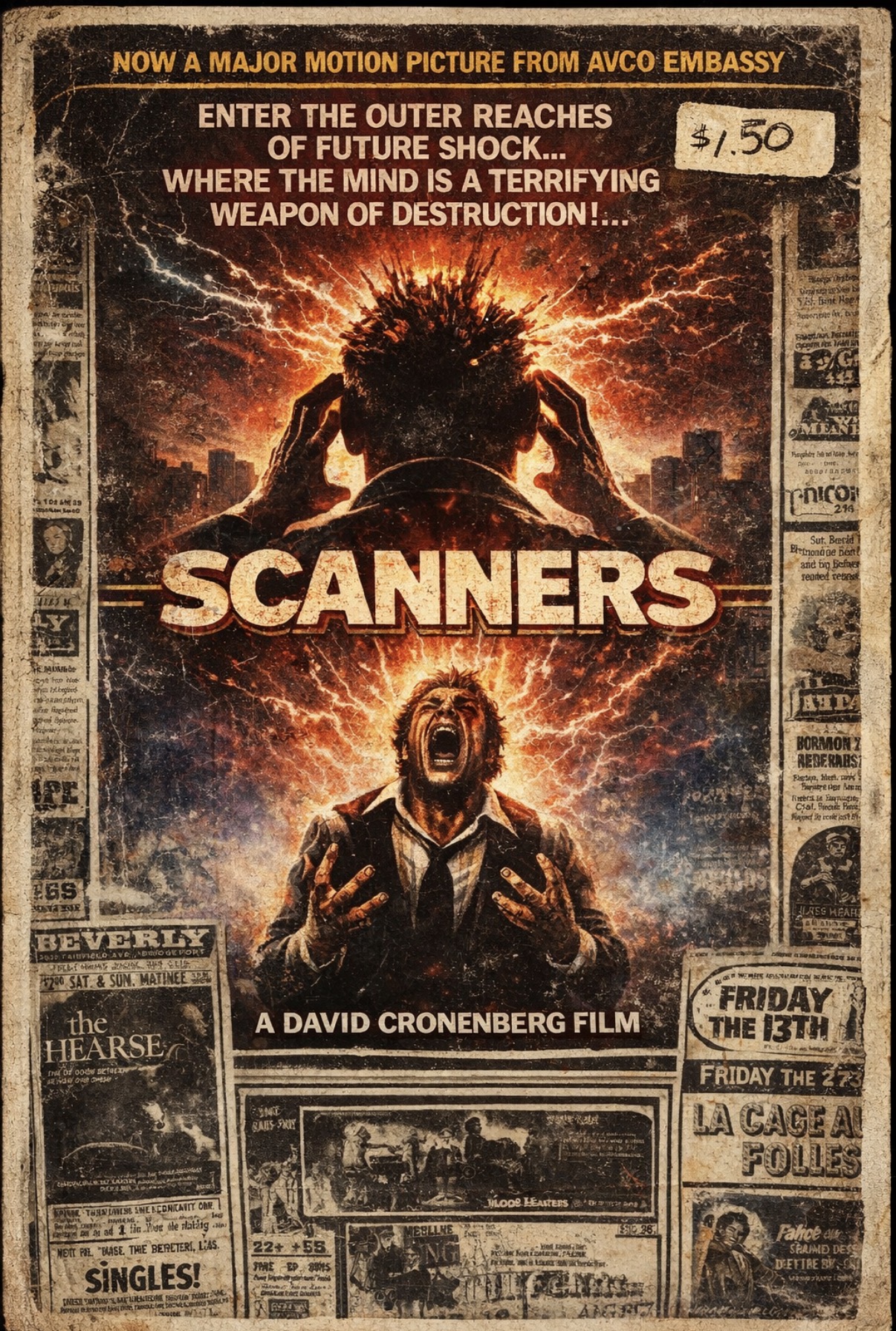
Lurking in the forgotten vaults of 1980s horror, David Cronenberg’s Scanners (1981)—often shrouded in the mists of the late 1970s era—is no mere cult flick. It’s a encrypted manifesto, a stark revelation of the elite’s playbook for psychic suppression in a world engineered for control. These “scanners,” telepathic mutants born from chemical tampering, aren’t fictional freaks; they’re stand-ins for humanity’s suppressed potential, the next evolutionary step that the shadow government fears will shatter their matrix of domination. Through explosive head-scans and mind-melds, the film unmasks a multi-layered conspiracy: state-sponsored indoctrination, corporate espionage, and genocidal purges designed to keep the masses deaf, dumb, and blind. As we dissect this celluloid cipher, prepare to connect the dots to real-world black ops, where Big Pharma, intelligence agencies, and tech overlords collude to neuter our inner powers before we awaken.
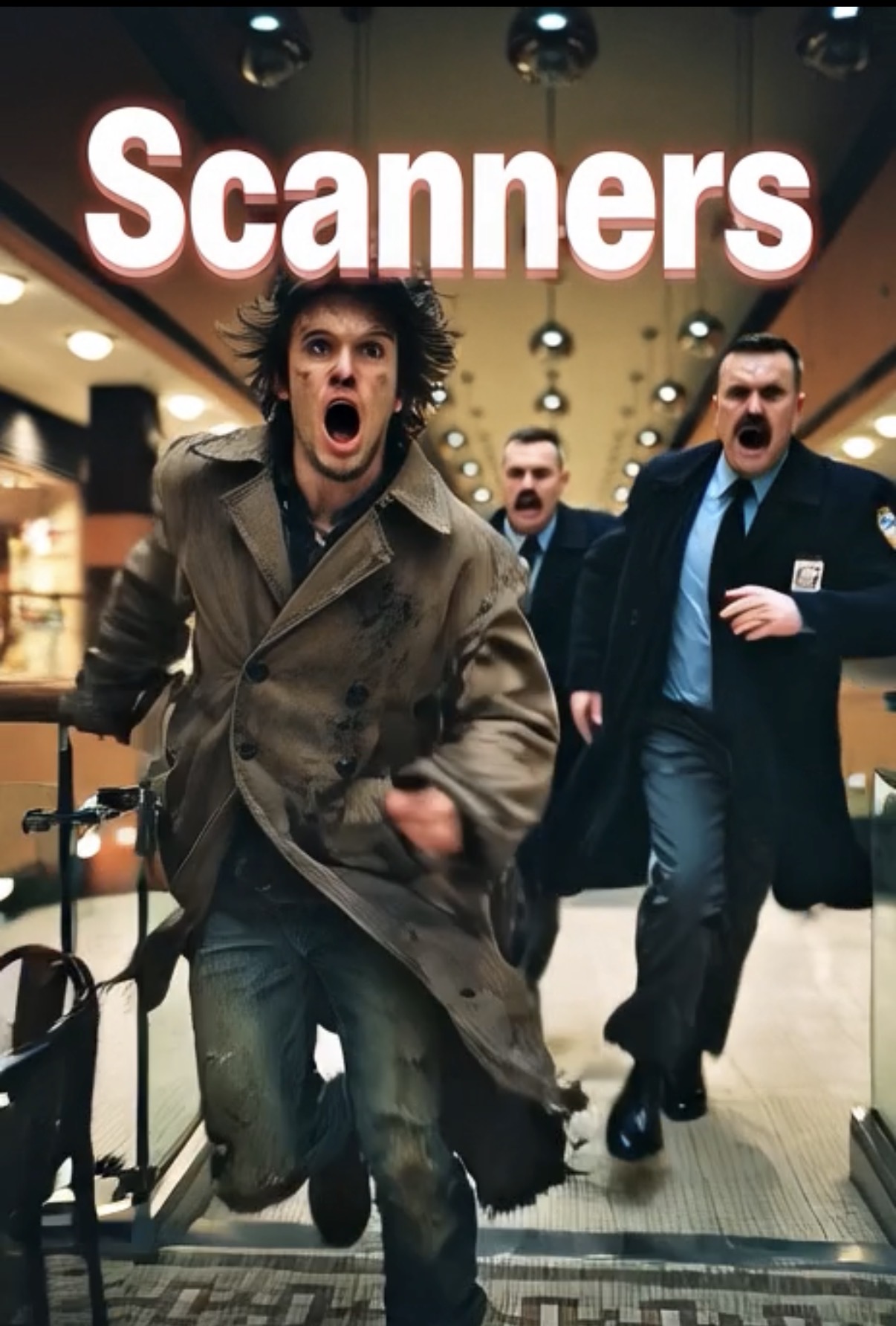
In the dim underbelly of 1981’s cult horror-thriller Scanners, directed by the enigmatic David Cronenberg, we are thrust into a world where the human mind becomes the ultimate weapon of control—and perhaps, the key to unlocking forbidden truths that governments and shadowy elites would kill to suppress. This isn’t just a film; it’s a veiled manifesto, whispering warnings about psychic espionage, mind-control drugs, and the elite’s exploitation of “freaks” born with god-like powers. Drawing from the turbulent 1970s era—when the CIA’s infamous MKUltra and remote viewing programs were experimenting with real-life psychics to spy on enemies—Scanners peels back the curtain on a conspiracy so insidious, it makes you question if telepaths are walking among us right now, homeless and hunted, their thoughts weaponized by unseen hands.
(more…)
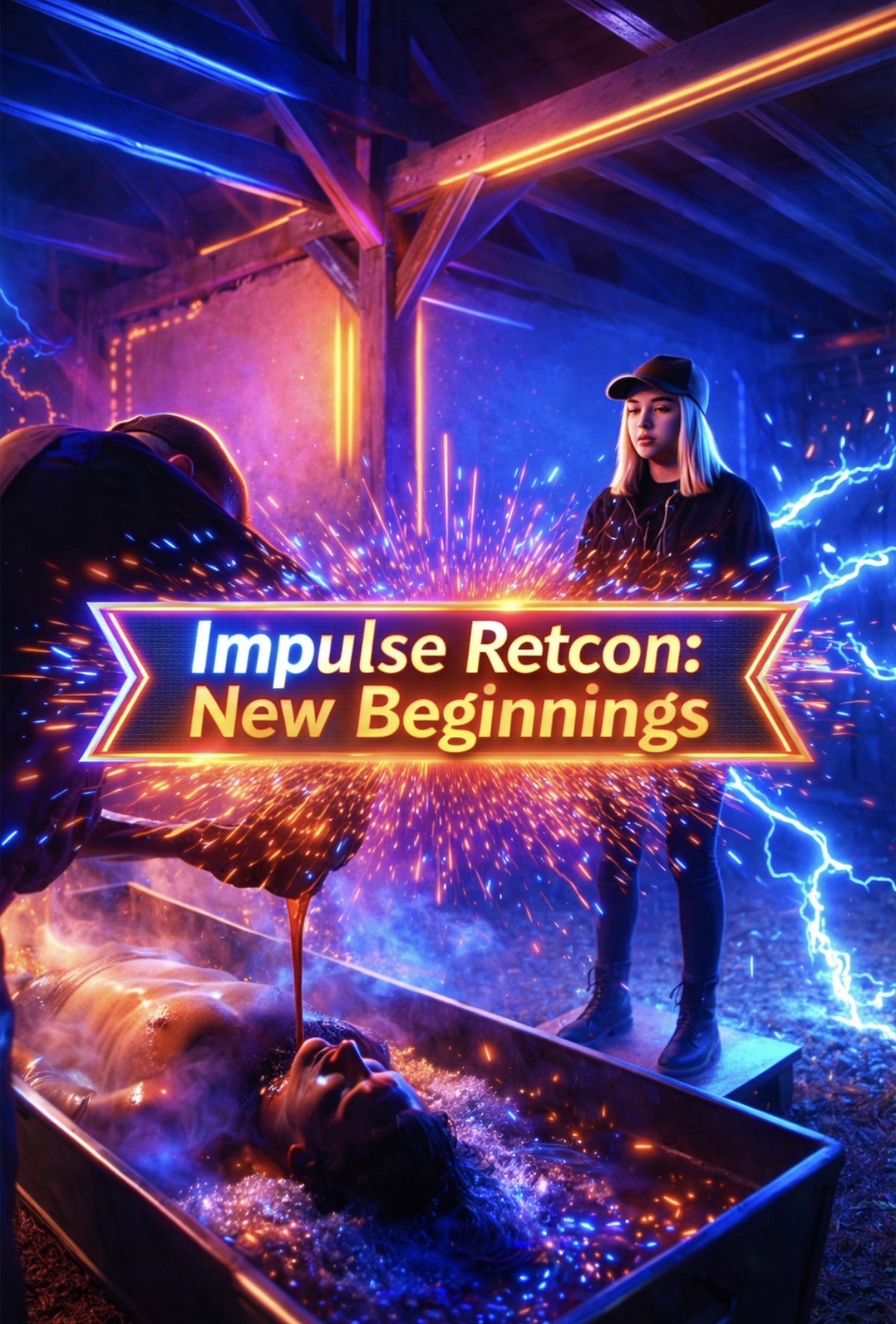
In the shadowy underbelly of teen drama fused with sci-fi grit, Impulse Retcon continues to warp reality in its episode “New Beginnings.” This installment isn’t just a reset; it’s a sinister unraveling of truths, where superhuman abilities pale against the everyday horrors of deception, denial, and unchecked consequences. Drawing from the raw, unpolished edges of Doug Liman’s original Impulse series, this retconned version amps up the darkness, forcing viewers to question not just the characters’ motives, but the very fabric of accountability in a world where teleportation is both salvation and curse. Let’s dissect this episode’s twisted core, where “new beginnings” feel more like inescapable loops of trauma.
(more…)
In the shadowy corners of cinema, few films dare to peel back the glossy facade of the pharmaceutical industry quite like Scanners 3: The Takeover (1992). Directed by Christian Duguay, this cult sci-fi horror sequel isn’t just a tale of psychic mayhem—it’s a chilling allegory for an industry run amok, where miracle drugs hide monstrous side effects, and corporate greed births unintended horrors. As a movie critic, I’ve seen my share of dystopian nightmares, but this one hits close to home, mirroring real-world scandals where Big Pharma prioritizes profits over people. Through the lens of its protagonist, Helena Monet, the film paints a grim picture of how unchecked drug development can erode morality, amplify human suffering, and pave the way for total domination. Let’s dive into this dark narrative, where the line between cure and curse blurs into oblivion.
(more…)
In the shadowy world of Scanners 3: The Takeover, Eph3 emerges as a double-edged sword—a pharmaceutical “cure” designed to silence the overwhelming mental noise plaguing telepathic scanners, granting them relief from headaches, anxiety, and scattered focus. Yet, its hidden cost is profound: it erodes the user’s conscience, that inner moral compass guiding right from wrong, leading to detachment, unhinged actions, and eventual madness. Helena’s spiral—drowning her father in a drug-fueled rage, only to later unravel in guilt—mirrors a chilling reality in our own pharmaceutical landscape. While no drug exactly replicates Eph3’s sci-fi flair, parallels abound in real-world psychiatric medications, where treatments for mental health conditions often blunt emotions, foster detachment, and spark ethical debates about the human cost of chemical control.
(more…)