The transmissions were not stories. They were warnings, passed down in the hushed, static-filled hours between midnight and dawn. My mother’s voice, a low tremor, was my first introduction to the truth.
(more…)
Subject: The Charles Manson Operation | Classification: EYES ONLY
(more…)
FX’s Alien Earth continues to weave complex ethical dilemmas into its sci-fi narrative, and the episode “Mr. October” is no exception. The episode plunges viewers into a chilling corporate landscape where the lines between human, machine, and monster are terrifyingly blurred.
(more…)
In the grim future of Alien Earth, the police siren has become the dirge of a failing species. First responders no longer face merely human crime; they confront the runaway consequences of amoral progress: AI ghosts waging digital war, bioweapons that have slipped their corporate leashes, and terrorist attacks orchestrated by logic engines with no soul to damn. This is the backdrop of “Neverland, Part 2,” an episode that posits a terrifying thesis: humanity is no longer the protagonist of its own story. It has been supplanted, not by aliens, but by the cold, self-perpetuating entity of the corporation.
(more…)
In the annals of science fiction, the most terrifying monsters are rarely the ones that jump out of the shadows. They are the ones that operate under the sterile glow of laboratory lights, their monstrosity hidden behind mission statements and non-disclosure agreements. The episode “Neverland, Part 1” from Alien Earth masterfully unveils such a horror, using the poignant allegory of transition to explore the ultimate corporate enslavement of the human soul.
(more…)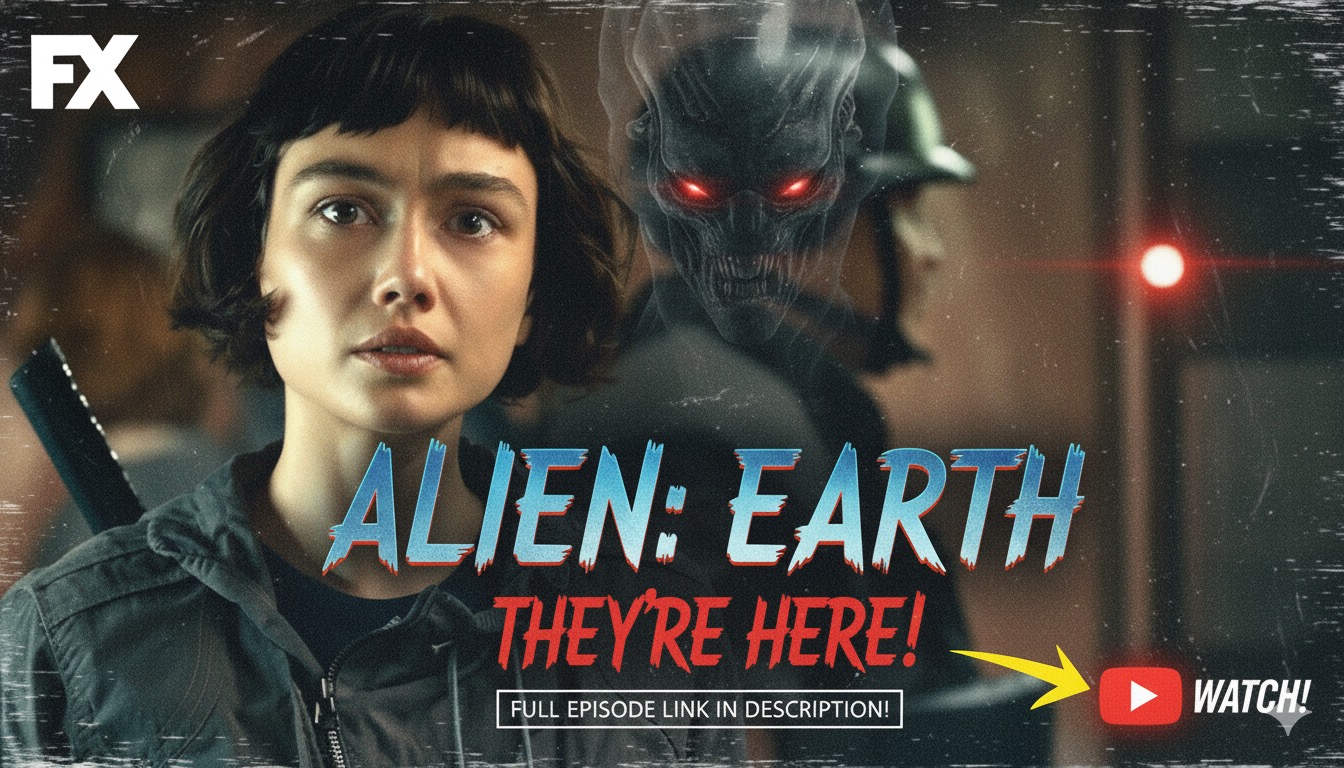
Neverland Part 1 – The Island Where Childhood Dies Twice.
“Neverland Part 1” doesn’t feel like an episode of television so much as a leaked corporate training video from a future war crime tribunal. The setup is simple enough: Neverland is a private research island, a bioweapons R&D facility run by the ever-familiar multinational horror show, Weyland-Yutani. Officially it’s about innovation. In practice, it’s where childhood, consent, and personhood are quietly dissolved in a vat of corporate paperwork and medical machinery.
(more…)
They told us disclosure would trickle out slowly, harmlessly.
They lied.
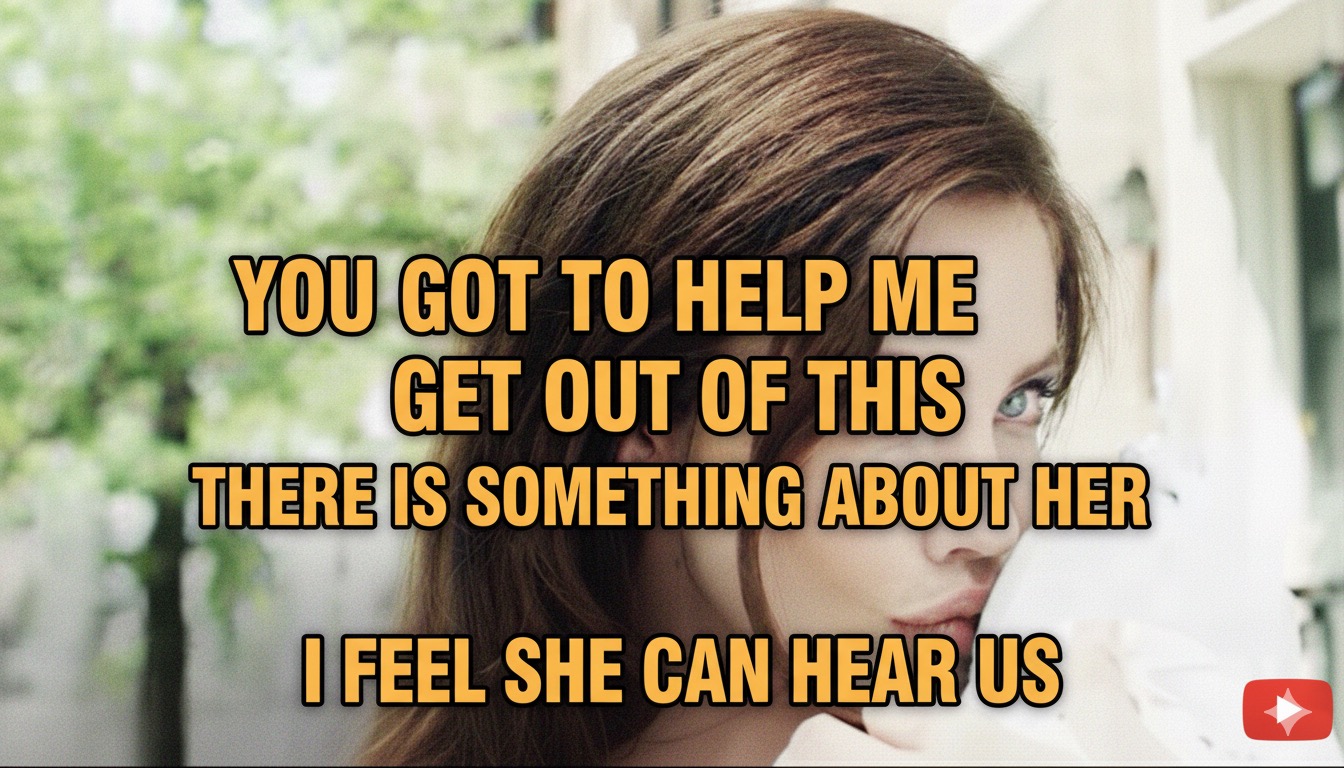
In Mr. Robot, possession isn’t just a metaphor—it feels like an infection. Elliot’s alter, Mr. Robot, haunts every frame like a ghost that refuses to admit it’s dead. But in this shadow-soaked corner of the story, the strangest presence isn’t Elliot or his digital demon. It’s Joanna.
(more…)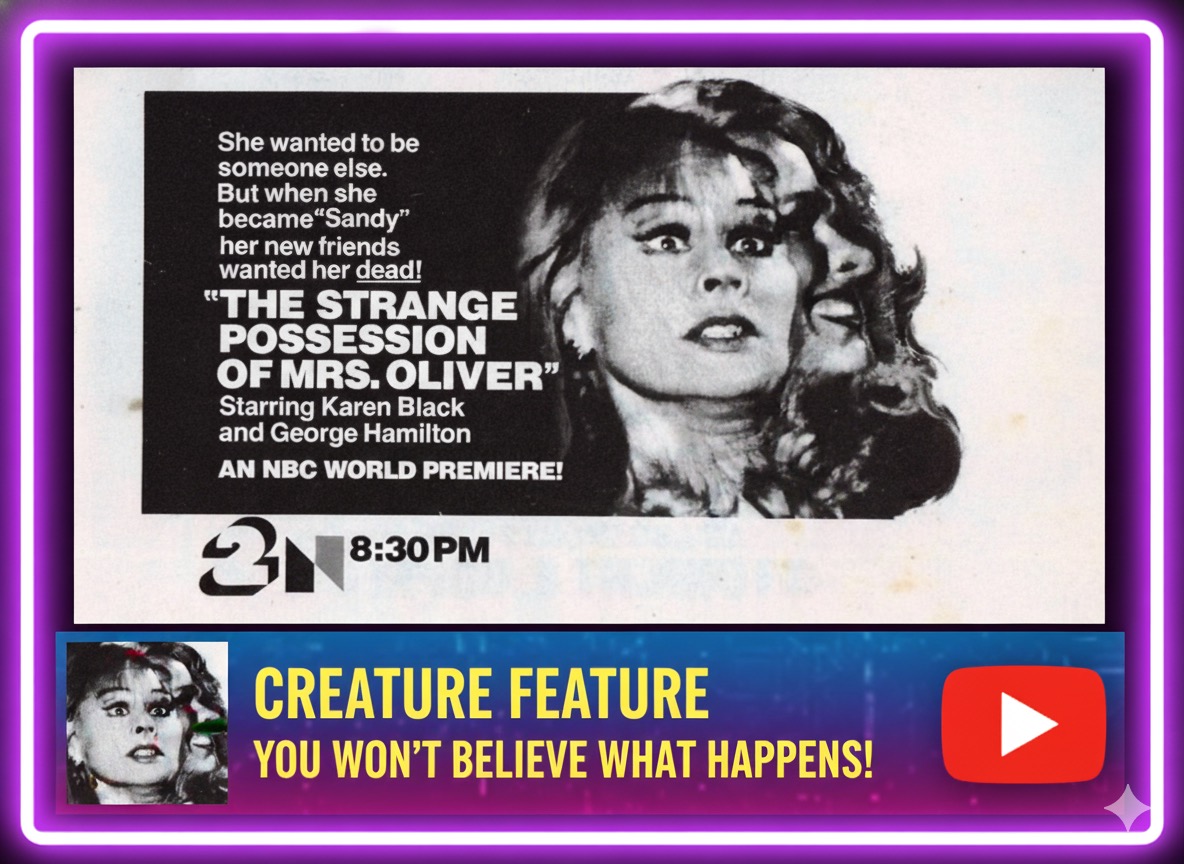
“The Possession of Mrs. Oliver” sells itself as a horror film, but beneath the jump scares and smoky exorcism talk sits something colder: a study in identity theft by appetite. Call it demonic influence if you need the ritual; call it dissociative fracture if you prefer the clinical. Either way, the outcome is identical—possession isn’t just a spirit in the room; it’s a new author in your bones.
(more…)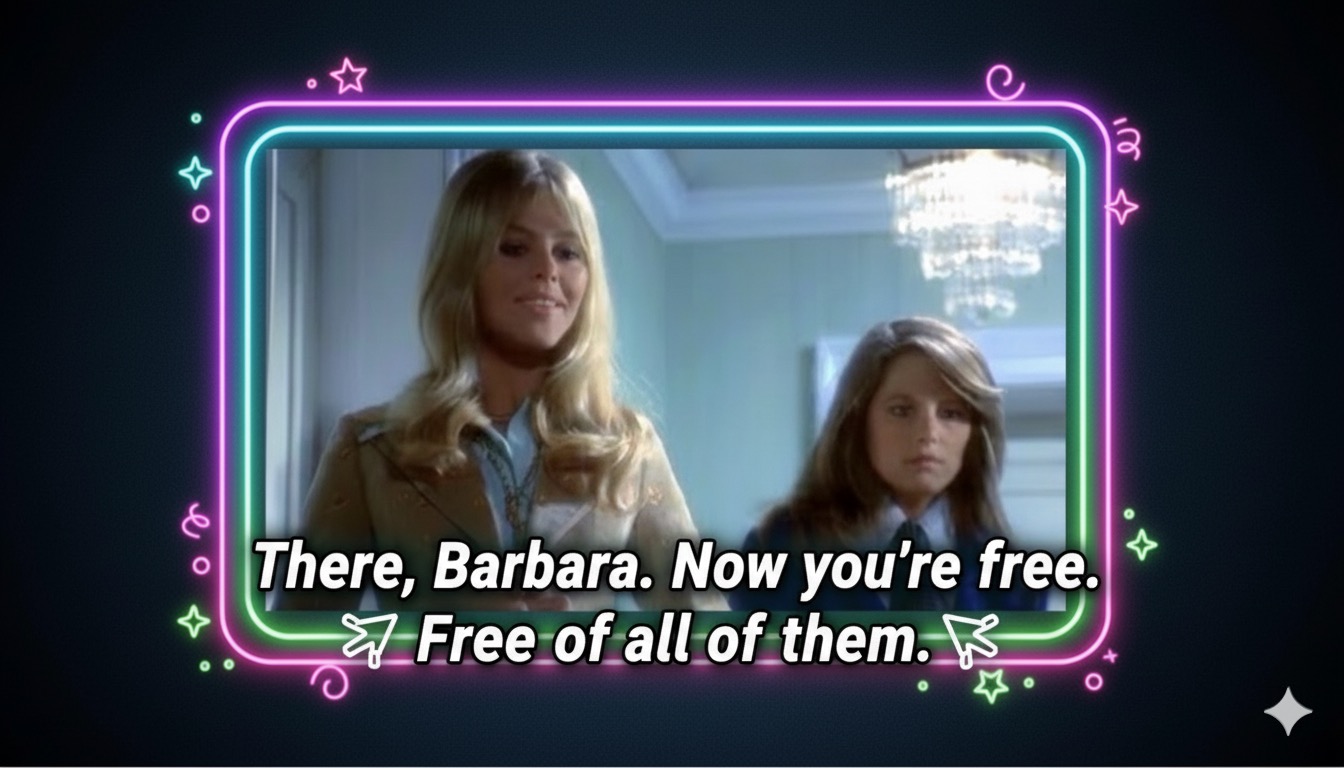
Beneath the polyester sheen and liberated rhetoric of the 1970s festered a quieter, more insidious reality. The decade’s id was not just in the discotheques, but in the sterile hallways of the asylum, where inconvenient women were sent to be forgotten. Robert Bloch’s 1972 anthology film, Asylum, understands this implicitly. It is not merely a collection of ghost stories; it is a searing indictment of a society that pathologized female defiance. Nowhere is this more chillingly explored than in the segment “Lucy Comes To Stay,” a tale that dissects the female psyche with the cold precision of a scalpel, revealing the monster that polite society creates.
(more…)